Loren J. Robinson

Extragalactic Astronomer and aspiring Data Scientist.

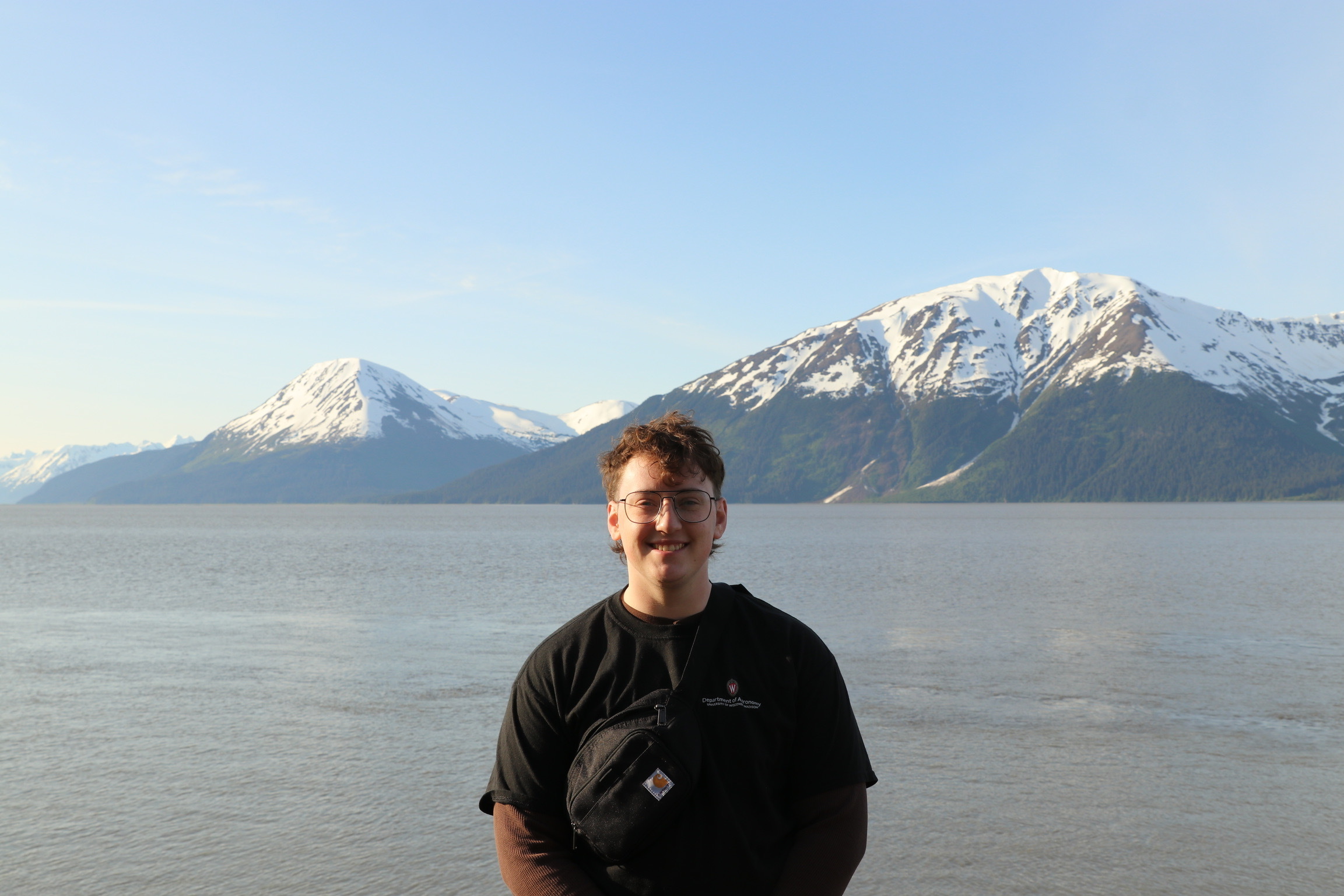
I am a Ph.D. candidate in the Department of Astronomy at the University of Wisconsin-Madison. I received my Bachelor of Science in Physics, Astronomy and Astrophysics at The Ohio State University. I am an extragalactic astronomer broadly interested in applications of data science in astronomy. I am currently researching coordinated variability in Broad Absorption Line Quasars as part of the SDSS-V Black Hole Mapper Reverberation Mapping Project.
Outside of astronomy, I enjoy being outdoors, going to the gym, and doing arts/crafts. I'm also very passionate about music: I collect records, play alto saxophone in a local jazz band, and attend concerts and music festivals often. Genres I'm particularly fond of include: indie, post-punk, and funk.

Research Interests

While I have a wide variety of research interests, I'm generally focused on extragalactic astronomy, including star formation and AGN activity. I am also keen on software development for the astronomical community.

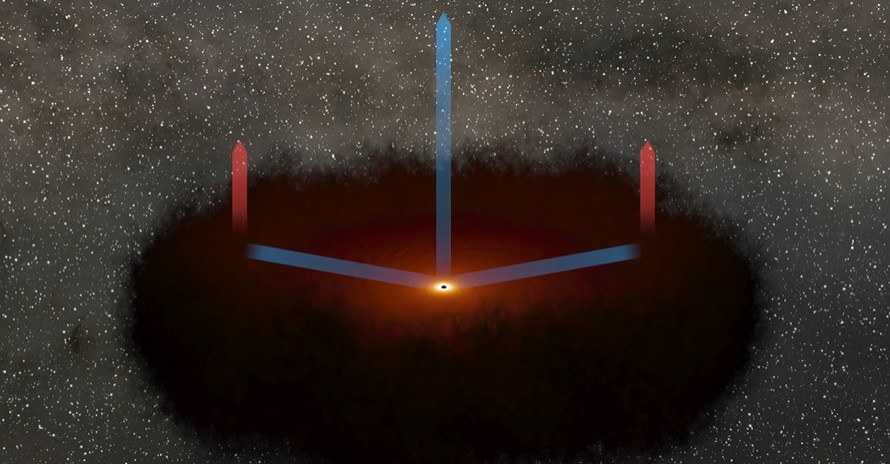
The SDSS-V Black Hole Mapper Reverberation Mapping Project: Reverberation Mapping of Hbeta and Halpha lines.

The SDSS-V/BHM Reverberation Mapping (RM) project seeks to measure the time lag between variability signals in the quasar continuum and the response/echo from the broad emission lines, and hence make virial black hole mass estimates. I am deriving RM lag measurements for Hβ and Hα lines in quasars in the SDSS-RM field.

image credit: Wikipedia

PrepSpec: Open Source Software for Spectral Analysis

PrepSpec is a spectral analysis software developed by Keith Horne, useful for processing large amounts of time-series data. I am developing a Python-based, open-source version of PrepSpec. This project will help further our understanding of AGN accretion physics and provide the astronomical community with a tool that can be employed in a wide range of time-series studies of AGN.

image credit: Chris Ried

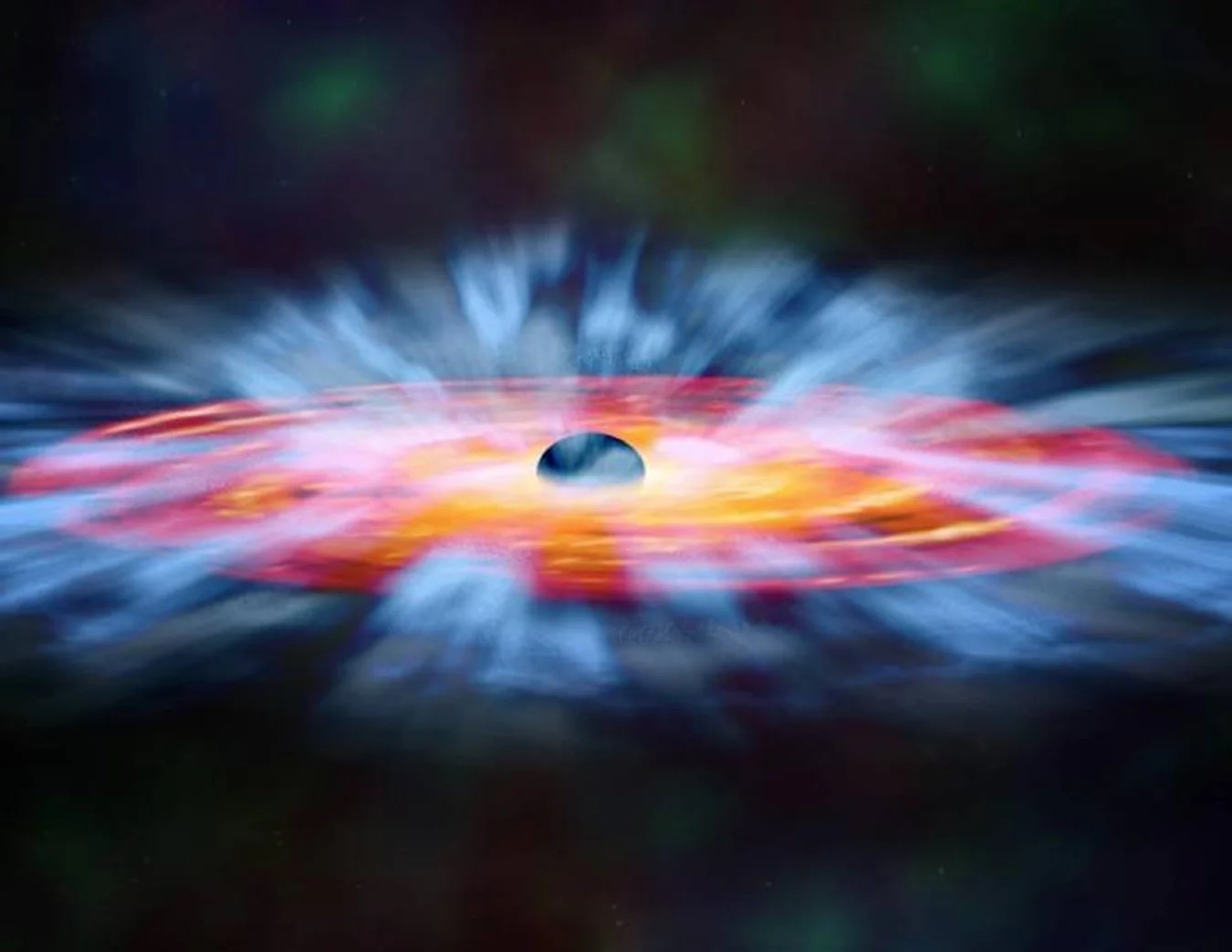
The SDSS-V Black Hole Mapper Reverberation Mapping Project: Investigating Coordinated Variability in BAL Quasars

I am searching for coordinated variability between Broad Absorption Lines (BALs), Broad Emission Lines (BELs) and the AGN continuum. My goal is to contextualize BAL variability within the greater AGN structure to better understand the geometry and physics of quasars, their winds, and the processes producing the emission/absorption features.

image credit: NASA, and M. Weiss (Chandra X -ray Center)

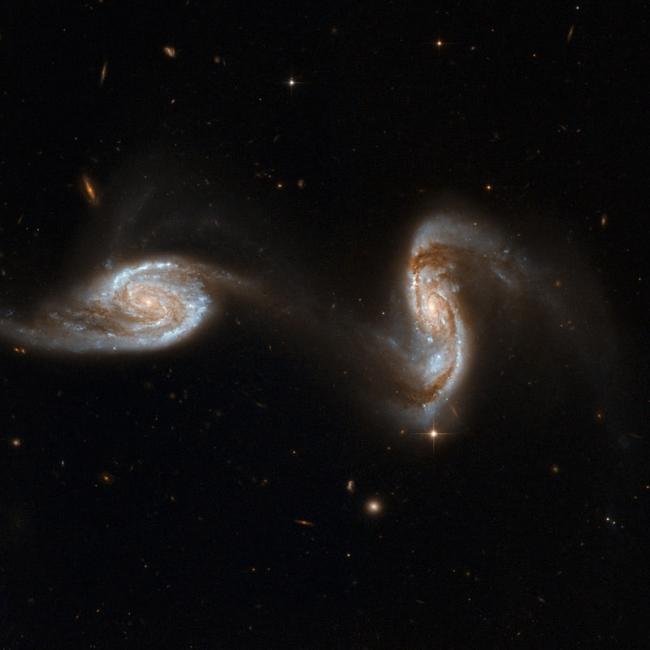
Calibrating Mid-Infrared Emission Features as Diagnostics of Star Formation in Infrared-Luminous Galaxies via Radiative Transfer Modeling

I utilized radiative transfer modeling and archival observations of 42 local Ultraluminous ( ≥ 1012L) Infrared Galaxies (ULIRGs) to develop scaling relations between Polycyclic Aromatic Hydrocarbon (PAH) and Neon lines with star formation rates. These relations can be used to determine bolometric component luminosities of galaxies with MIR spectroscopy. This is especially relevant for studies of luminous starbursts at redshifts of z < 3 with JWST.

image credit: Hubble Space Telescope

CV